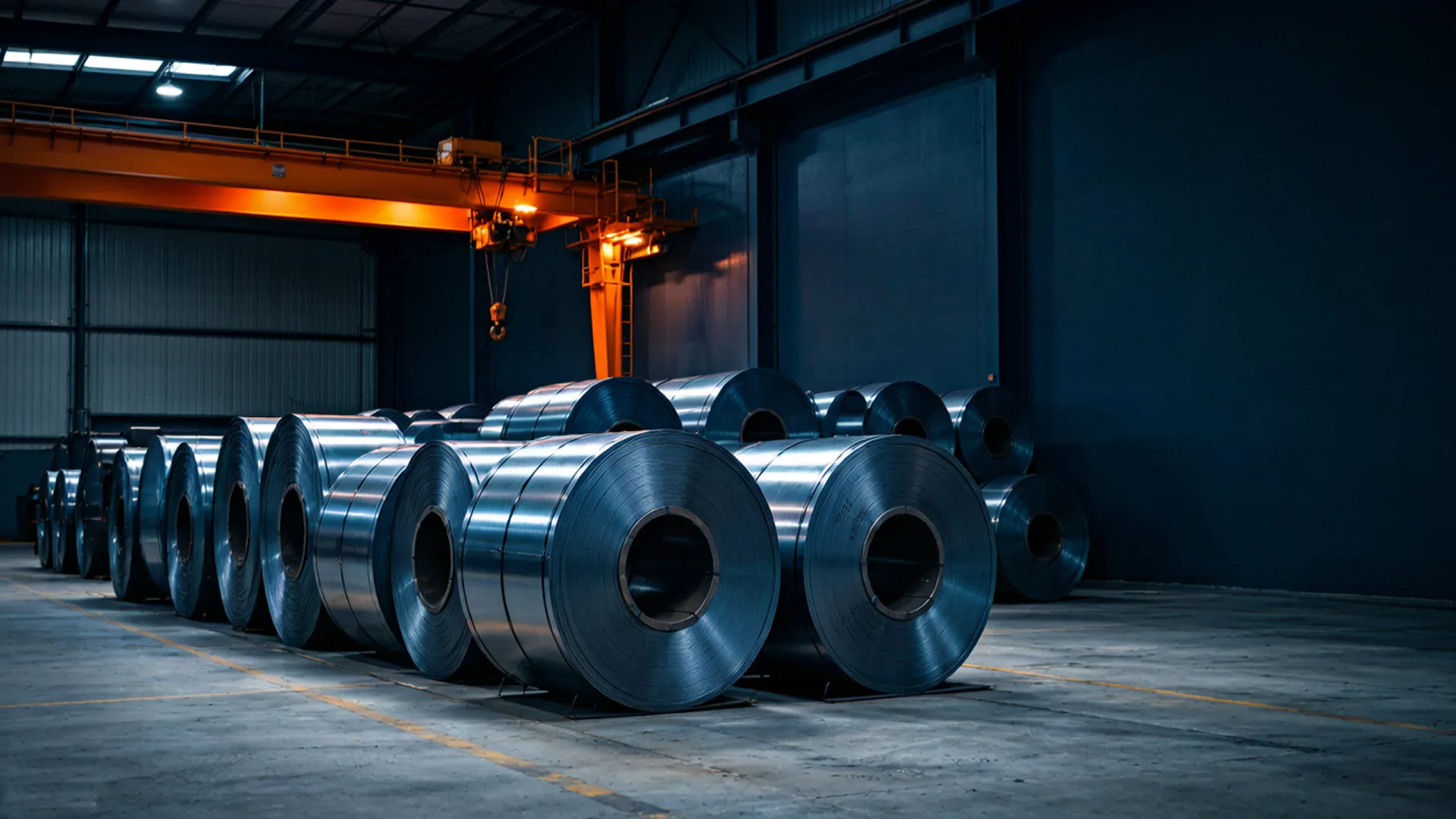
Does Galvanized Steel Rust?
Yes, galvanized steel can rust — but it resists rust far more effectively than regular carbon steel. The zinc coating provides strong protection that significantly slows down corrosion, yet it is not completely rust-proof under all conditions. Galvanized steel is produced by applying a layer of zinc to the surface of ordinary steel through hot-dip or electro-galvanizing processes. This zinc layer acts as a protective barrier, considerably slowing the rusting process. However, under certain conditions — such as deep scratches, prolonged immersion in water, or highly corrosive environments — the zinc layer can be worn away, and the underlying steel will eventually begin to rust.
Why Galvanized Steel Resists Rust: The Dual Protection Mechanism
Galvanized steel owes its excellent rust resistance to two complementary protection mechanisms — a physical barrier and sacrificial anode (cathodic) protection — creating a defense system far more robust than a simple paint or polymer coating.
Physical Barrier Protection
The zinc layer on the surface acts like a protective raincoat for the steel underneath. As long as the zinc coating remains intact, it physically separates the iron in the steel from the oxygen and moisture in the air that cause rusting. This barrier is highly effective because:
Sacrificial Anode Protection (Cathodic Protection)
This is the truly remarkable feature of galvanizing. Zinc is more chemically reactive than iron — it sits higher in the galvanic series. When both zinc and iron are exposed to an electrolyte such as water, the zinc corrodes first, sacrificing itself to protect the iron. Here is how it works:
This sacrificial protection works even for small scratches and cut edges — as long as there is zinc nearby, the exposed steel will remain protected.
When Does Galvanized Steel Rust?
While galvanized steel is much more rust-resistant than plain steel, it is not indestructible. Under the following conditions, galvanized steel can and will rust.
Damage to the Zinc Layer
If the zinc coating is severely scratched, cut, drilled, or abraded, and the damaged area is too large for the remaining zinc to protect via the sacrificial anode mechanism, the exposed steel will begin to rust. This is most common around:
Important: Small scratches (a few millimeters wide) are usually still protected by the sacrificial anode effect of the surrounding zinc. Large damaged areas may need touch-up protection.
Prolonged Water Exposure or High Humidity
When galvanized steel is continuously immersed in water or kept in extremely humid, poorly ventilated conditions, the zinc layer corrodes at a much faster rate. Once the zinc is consumed, the steel beneath will begin to rust. Factors that accelerate this include:
In dry, well-ventilated outdoor environments, galvanized steel can last for decades. In permanent immersion, its lifespan may be only a few years.
Aggressive Chemical Environments
In harsh corrosive environments, the zinc layer is consumed much more rapidly than normal. This is particularly true for:
In these environments, standard galvanized steel may not provide sufficient long-term protection, and you may need to consider stainless steel, aluminum, or specialized coatings instead.
Poor Storage or Low-Quality Products
Rusting can also occur due to factors unrelated to the galvanizing process itself:
White rust does not necessarily mean the steel is rusting — it is the zinc itself corroding — but excessive white rust can consume the zinc layer prematurely.
How to Extend the Life of Galvanized Steel
With proper handling and maintenance, galvanized steel can provide many years of rust-free service. Here are the most effective ways to maximize its lifespan.
Seal Cut Edges and Damaged Areas
When galvanized steel is cut, drilled, or welded, the zinc layer is destroyed at those locations. These areas become vulnerable points where rust can start. How to seal cut edges:
Even a small amount of zinc-rich coating can restore a surprising amount of sacrificial protection.
Keep It Dry and Well-Ventilated
Moisture is the main enemy of galvanized steel. The drier the conditions, the longer the zinc layer will last. Best practices for storage and use:
Clean Gently and Regularly
Dirt, dust, and chemical deposits on the surface can accelerate corrosion by trapping moisture. Regular gentle cleaning helps maintain the zinc layer protective properties.
Choose the Right Galvanizing Process
Not all galvanized steel is the same. Different galvanizing methods produce zinc layers of different thickness and quality:
Choosing the right process and zinc thickness for your application is essential for maximizing service life.
Conclusion
Galvanized steel is one of the most cost-effective and widely used materials in the construction, automotive, and manufacturing industries precisely because of its superior rust resistance. Understanding the dual protection mechanism — physical barrier and sacrificial anode — helps buyers and engineers make informed decisions about material selection. While no material is completely immune to corrosion, proper handling, storage, and maintenance can dramatically extend the service life of galvanized steel. At Rubao-Chinasteel, we offer a full range of hot-dip and electro-galvanized steel products tailored to diverse industrial requirements.
镀锌钢会生锈吗?
是的,镀锌钢会生锈——但它的防锈能力远优于普通碳钢。锌层提供了强有力的防护,显著延缓了腐蚀过程,但在某些条件下它并非完全防锈。镀锌钢是通过热浸或电镀工艺在普通钢材表面涂覆一层锌制成的。这层锌作为保护屏障,大大减缓了生锈进程。然而,在某些条件下——如深度划痕、长时间浸泡在水中或高度腐蚀性环境——锌层可能被磨损,底层钢材最终会开始生锈。
镀锌钢为何防锈:双重保护机制
镀锌钢之所以具有出色的防锈性能,归功于两种互补的保护机制——物理屏障和牺牲阳极(阴极)保护——形成了一个远比简单油漆或聚合物涂层更强大的防护体系。
物理屏障保护
表面的锌层就像为下方钢材提供的一件防护雨衣。只要锌层保持完整,它就会在物理上将钢材中的铁与空气中的氧气和水分隔离开,从而防止生锈。这种屏障非常有效,因为:
牺牲阳极保护(阴极保护)
这是热浸镀锌真正令人称道的特性。锌比铁更具化学活性——在电化学序列中位置更高。当锌和铁同时接触电解质(如水)时,锌会优先腐蚀,通过自我牺牲来保护铁。其工作原理如下:
这种牺牲保护对微小划痕和切割边缘同样有效——只要有锌在附近,暴露的钢材就能得到保护。
镀锌钢何时会生锈?
虽然镀锌钢比普钢更防锈,但它并非坚不可摧。在以下条件下,镀锌钢会生锈。
锌层受损
如果锌层被严重划伤、切割、钻孔或磨损,且损坏面积过大超出剩余锌层的牺牲保护能力,暴露的钢材就会开始生锈。这通常发生在:
重要提示:小划痕(几毫米宽)通常仍能被周围锌层的牺牲阳极效应所保护。大面积损坏区域可能需要补涂防护。
长时间水接触或高湿度
当镀锌钢持续浸泡在水中或处于极度潮湿、通风不良的环境中时,锌层的腐蚀速度会大大加快。一旦锌层消耗完毕,底层钢材就会开始生锈。加速腐蚀的因素包括:
在干燥、通风良好的户外环境中,镀锌钢可使用数十年。在永久浸水条件下,其寿命可能仅数年。
强腐蚀性化学环境
在恶劣腐蚀性环境中,锌层消耗速度远高于正常水平。以下情况尤其明显:
在这些环境中,标准镀锌钢可能无法提供足够的长期保护,您可能需要考虑不锈钢、铝材或专用涂层。
储存不当或产品质量低劣
生锈也可能与镀锌工艺本身无关的因素导致:
白锈并不意味着钢材本身在生锈——而是锌自身在腐蚀——但过多的白锈会过早消耗锌层。
如何延长镀锌钢的使用寿命
通过正确的处理和维护,镀锌钢可以提供多年的无锈服务。以下是最大化其使用寿命的最有效方法。
密封切割边缘和损坏区域
镀锌钢被切割、钻孔或焊接时,这些位置的锌层会被破坏。这些区域成为生锈的薄弱点。密封切割边缘的方法:
即使是少量富锌涂层也能恢复显著的牺牲保护效果。
保持干燥通风
水分是镀锌钢的主要敌人。环境越干燥,锌层保存时间越长。储存和使用最佳实践:
定期温和清洁
表面的污垢、灰尘和化学沉积物会通过 trapping 水分加速腐蚀。定期温和清洁有助于维持锌层的保护性能。
选择合适的镀锌工艺
并非所有镀锌钢都一样。不同的镀锌方法产生不同厚度和质量的锌层:
根据应用需求选择合适的工艺和锌层厚度,对最大化使用寿命至关重要。
结论
镀锌钢之所以成为建筑、汽车和制造业中使用最广泛、最具成本效益的材料之一,正是得益于其卓越的防锈性能。理解双重保护机制——物理屏障和牺牲阳极——有助于采购人员和工程师做出明智的材料选择决策。虽然没有任何材料完全免疫腐蚀,但正确的处理、储存和维护可以大幅延长镀锌钢的使用寿命。Rubao-Chinasteel 提供全系列热浸镀锌和电镀锌钢材产品,可满足各类工业需求。